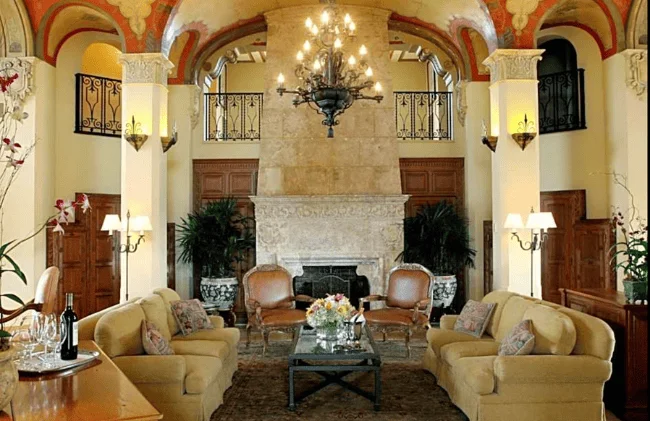
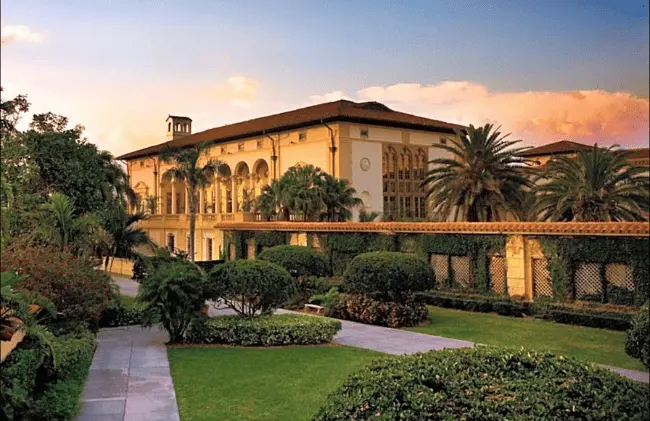
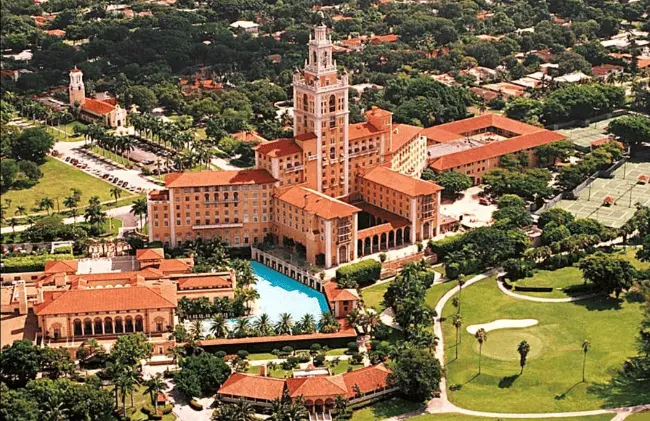
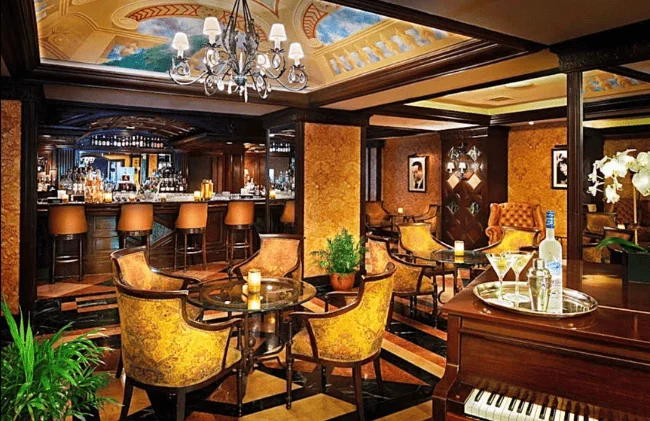
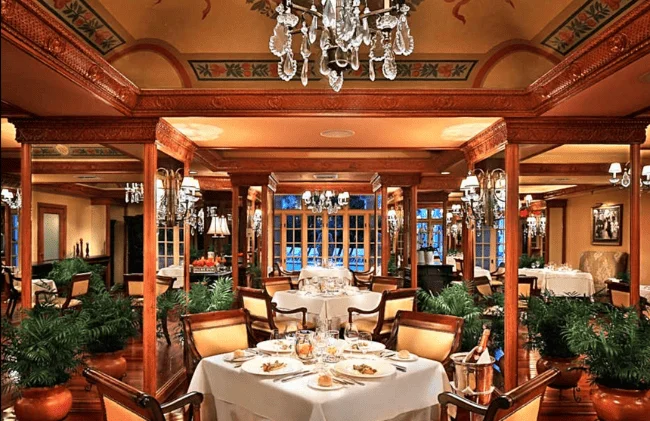
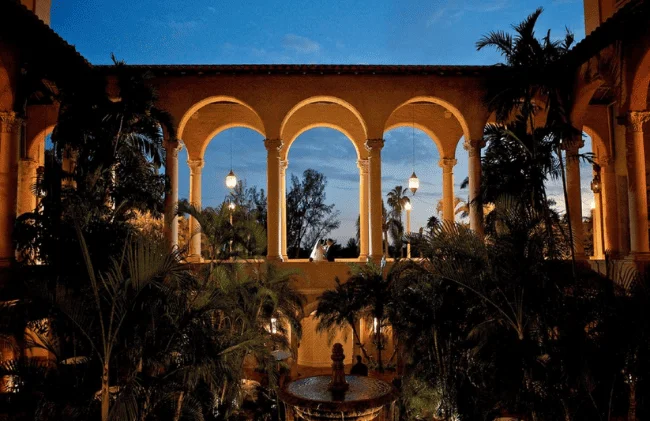
Picture a dreamlike setting complete with exquisite, hand painted frescos on barrel vaulted ceilings, brilliant travertine floors, fine marble columns, intricate leaded glass fixtures, carved mahogany furnishings and lavish gardens. Then picture this all in the shadow of a spiraling Moorish Giralda tower. Is it a Spanish castle or a grand Venetian palazzo? Although The Biltmore in Coral Gables, Florida does resemble the finest in classic
As the creator of Coral Gables, land developer George E. Merrick founded the University of Miami, and developed the suburbs with strict building codes to ensure the beautiful surrounding. In 1924, young Merrick joined forces with Biltmore hotel magnate John McEntee Bowman at the height of the Florida land boom to build “a great hotel…which would not only serve as a hostelry to crowds which were thronging to Coral Gables but also would serves as a center of sports and fashion.”

Mediterranean architecture, it is neither an Italian palazzo nor Iberian castle.Instead it is the centerpiece of George Merrick’s vision of Coral Gables as an elegant, stately suburb, which he called “The City Beautiful.” Combining his deep affection for lush South Florida landscape with a high regard for Italian, Moorish and Spanish architectural influences, Merrick realized his dream in the construction of his masterpiece. This is The Biltmore Hotel.
The Biltmore was one of the most fashionable resorts in the entire country in its heyday, hosting royalty of both the European and Hollywood variety. The Duke and Duchess of Windsor, Ginger Rogers, Judy Garland and Bing Crosby were frequent guests. Other luminaries included notorious gangster Al Capone, who sought respite there during Prohibition, and President Franklin D. Roosevelt, who visited in 1933. Sports icons like Babe Ruth and golfer Bobby Jones also graced its halls, while swimmer Johnny Weissmuller dazzled guests with aquatic displays in the massive pool before his Tarzan fame.
Up to 3,000 spectators turned out on Sundays to watch synchronized swimmers, bathing beauties, alligator wrestlers and the four year old boy wonder, Jackie Ott, whose act included diving into the immense pool from an 85‐foot high platform. Prior to his tree‐swinging days in Hollywood, Johnny Weissmuller was a Biltmore swimming instructor and later broke world records at The Biltmore pool. The aquatic shows were extremely popular with families, who would later dress up to attend fashionable tea dances on The Biltmore’s grand terrace.
With the Jazz Age at full cry, The Biltmore’s big bands entertained wealthy, well-traveled visitors to this American Riviera resort. Legendary bandleaders such as Duke Ellington and Tommy Dorsey performed in the opulent Plantation Ballroom, while Johnny Weissmuller, then the hotel’s swimming instructor, broke world records in the monumental 2.7-million-litre pool and taught Hollywood stars to dive. Challenged by America’s economic lulls in the late 1920s and early 1930s, The Biltmore thrived by hosting spectacular aquatic galas lavish synchronized swimming shows and high-diving exhibitions that drew crowds of up to 3,000 spectators and kept the hotel in the national spotlight.

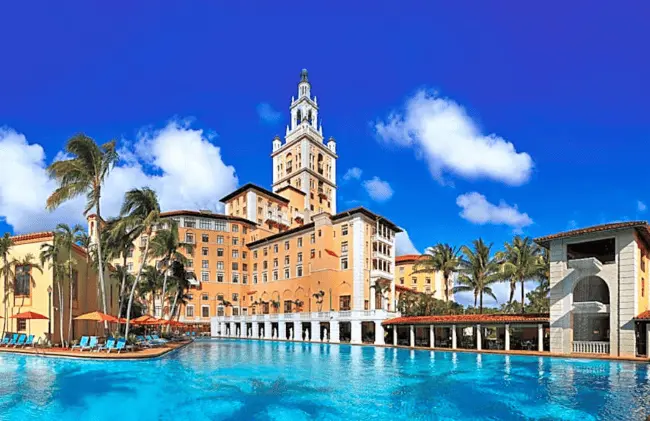
In fact, everyone who was anyone from politicians like President Franklin D. Roosevelt (who maintained a temporary White House office at the hotel) to notorious gangsters like Al Capone stayed at The Biltmore, where they enjoyed fashion shows by New York designers, gala balls in the glittering ballroom, spectacular aquatic shows in the 23,000-square-foot grand pool (once the largest in the world), elaborate weddings for Miami society, and world-class golf tournaments on the legendary Donald Ross-designed course that hosted the world’s richest prize money in the 1920s.
With the onset of World War II, the War Department converted The Biltmore to a huge hospital, dubbed the Army Air Forces Regional Hospital. Adapting the building to its new use, the Army sealed many of the former hotel’s windows with concrete, and covered the travertine floors with layers of government-issue linoleum. Also the early site of The University of Miami’s School of Medicine, The Biltmore remained a Veteran’s Administration hospital until 1968.
Following intense lobbying by Coral Gables officials and city residents for The Biltmore’s acquisition, in 1973 the City of Coral Gables was granted ownership of the hotel through the Historic Monuments Act and Legacy of Parks program.
Finally in 1983, the City initiated a full restoration of the Biltmore to its former glory as a grand hotel. Nearly four years and $55 million later, The Biltmore re-opened on December 31, 1987 as a four-star hotel and resort. More than 600 guests turned out to honor the historic Biltmore at a black-tie affair. The hotel remained open for three years, but closed again in 1990 in the midst of the country’s economic downturn. But the City remained undecided as to the structure’s future, and The Biltmore remained unoccupied for almost 10 years
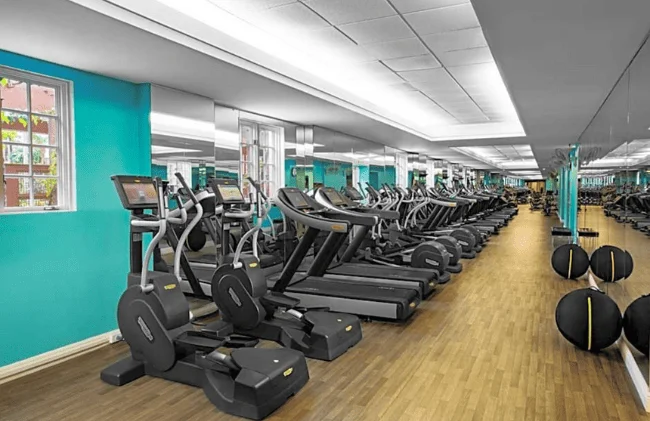
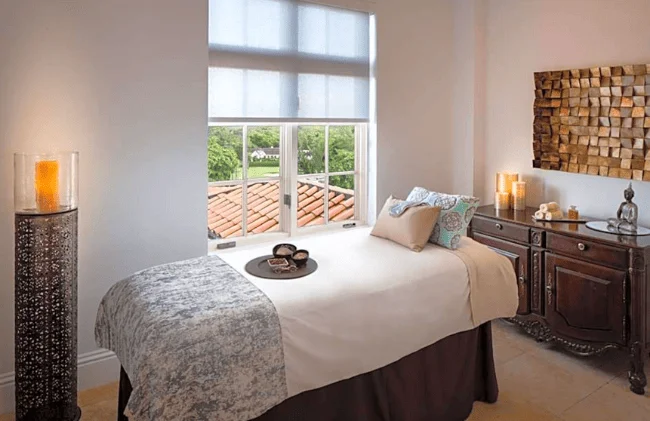
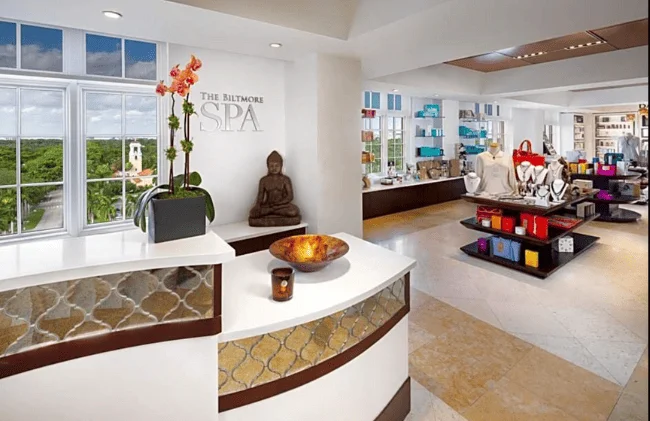
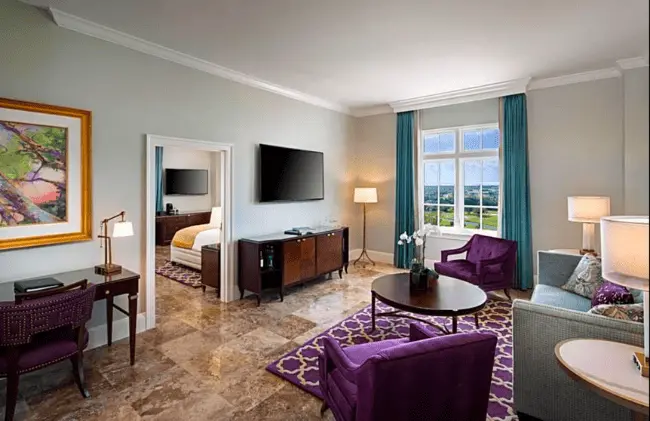
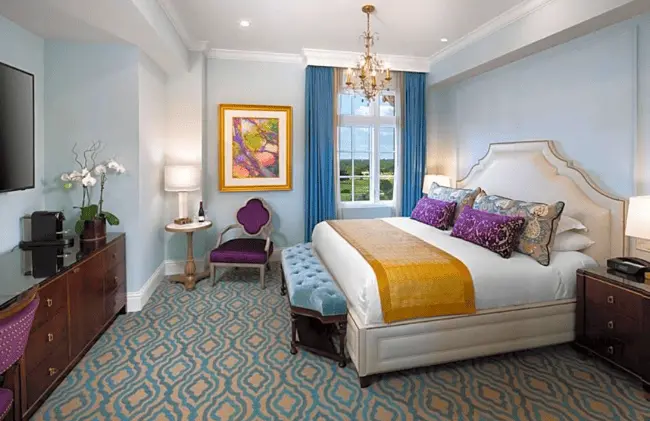
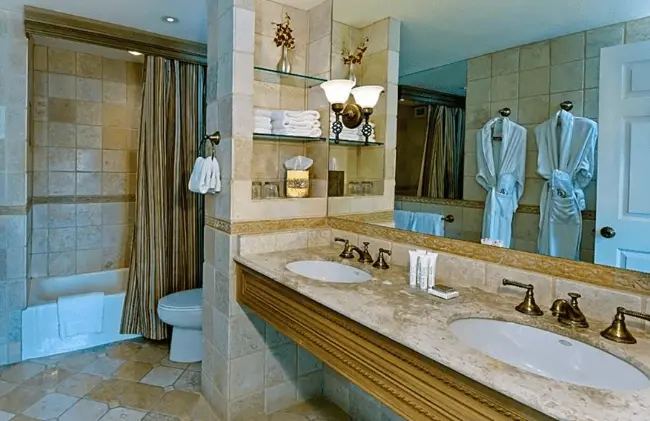
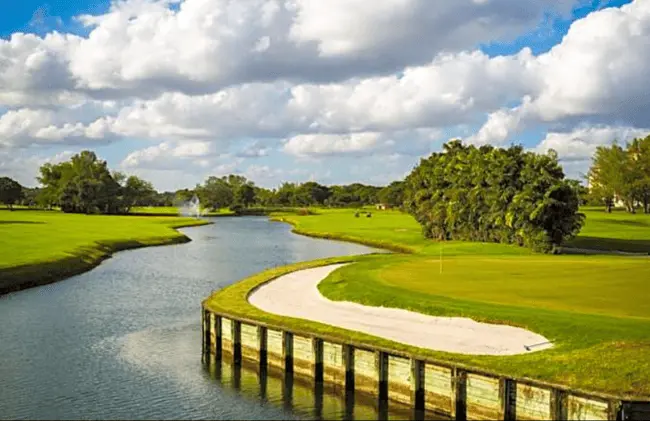
Guest rooms and grand public spaces were meticulously refurbished with elegant period-inspired décor and modern comfort, while a state-of-the-art fitness center and the luxurious 12,000-square-foot Biltmore Spa were introduced as new wellness landmarks. The championship golf course was faithfully restored to Donald Ross’s brilliant 1925 design, recapturing every strategic contour and classic challenge. The iconic pool once the largest in the world regained its Jazz Age glamour with cascading tropical waterfalls, private cabanas, and serene grotto-style seating.
A new era began in 1992 when Seaway Hotels Group, led by Gene Prescott and his son Tom Prescott, secured a 99-year lease from the City of Coral Gables for the iconic resort and its legendary Donald Ross golf course. Just weeks after signing, Hurricane Andrew devastated South Florida, yet the unflappable Prescotts reopened the hotel in record time and launched a meticulous decade-long, $40 million restoration that faithfully returned every detail to its breathtaking 1926 Mediterranean splendor while seamlessly adding modern luxury.
In 2018, the world-renowned Jim McLean Golf School selected The Biltmore as its global headquarters, bringing one of America’s top-ranked golf academies to the historic grounds. Offering intensive golf schools, private instruction with video analysis, junior programs, and weekly clinics for players of every level, the school combines decades of elite teaching expertise with the timeless beauty of the Donald Ross course and the resort’s unparalleled amenities.
Today, The Biltmore stands as elegant and vibrant as the day it first opened its doors in 1926, a National Historic Landmark and the undisputed crown jewel of Coral Gables
Guest rooms and grand public spaces were meticulously refurbished with elegant period-inspired décor and modern comfort, while a state-of-the-art fitness center and the luxurious 12,000-square-foot Biltmore Spa were introduced as new wellness landmarks. The championship golf course was faithfully restored to Donald Ross’s brilliant 1925 design, recapturing every strategic contour and classic challenge. The iconic pool once the largest in the world regained its Jazz Age glamour with cascading tropical waterfalls, private cabanas, and serene grotto-style seating.